
in
Making & testing
How to playtest your first interactive story
The Pominis Team
•
3 min read
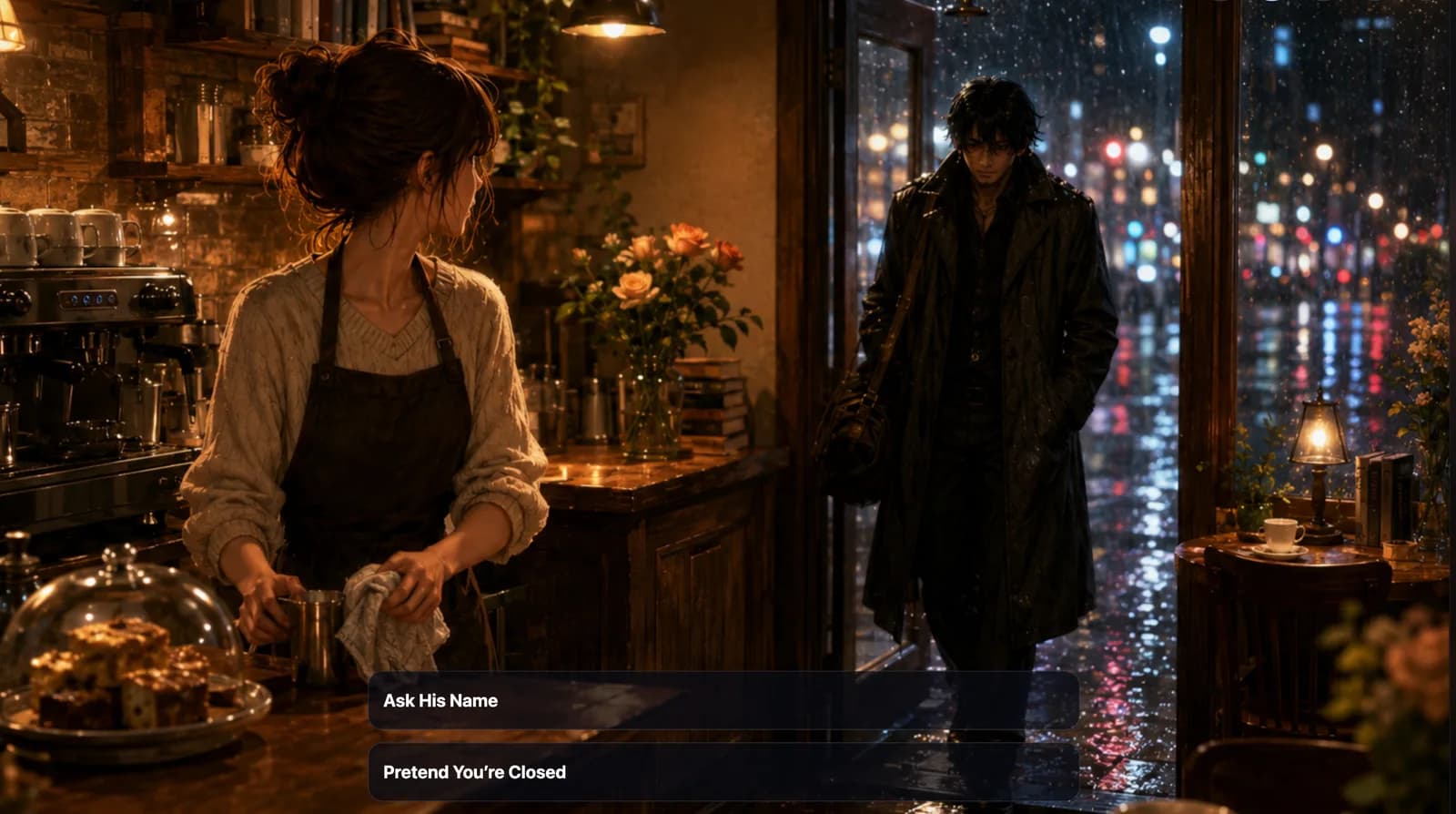
A first playtest should answer a specific question about your story. For a short branching draft, start with this one: can a new player explain what they wanted, what they chose, and why their ending happened?
The examples below use a fictional story set in an archive to show how to turn playtest observations into specific edits.
1. Give the reader a complete slice
Finish an opening, a meaningful choice, and its ending before asking someone to play. Choose one thing to learn: whether the opening is clear, whether the choice is difficult, or whether two characters' relationship makes sense. Tell the reader how to open the story, then let the scene explain itself.
Use a published link when you are ready to share. Public publishing is available on the free plan. With an eligible paid creation plan, you can publish an unlisted story for testing without adding it to public listings, but the link can be forwarded. Any membership or paid-content access requirements still apply. A private story is only accessible to you and cannot be used as a reviewer link; keeping it private does not require a paid plan.
2. Watch without explaining the plot
Let the reader take one route without coaching them toward the intended ending. Note the scene and choice where they pause, reread, or ask for help. A pause can mean confusion or an interesting dilemma, so ask what they were thinking instead of immediately treating it as a defect.
- Record: the scene, the selected option, and the observed response.
- Separate an observation (“reread the choice three times”) from an interpretation (“the choice is unclear”).
- Keep technical problems, story confusion, and personal taste in separate notes.
You can take these notes yourself. This workflow does not depend on built-in playtest recordings or route analytics.
3. Ask neutral questions
- What was the protagonist trying to do?
- What did you think each option would put at risk?
- What changed because of your decision?
- Was there information you needed earlier?
- What made your ending feel earned or unexpected?
For the archive story, ask “Why did you give away the letter?” rather than “Did handing over the letter feel like a brave sacrifice?” The second question supplies an interpretation the scene may not have communicated.
4. Turn feedback into one revision
Suppose a reader chooses to keep the letter because they think it is a spare copy. The intended dilemma was whether to surrender the only evidence. A useful revision is to establish that it is the original before the choice. Adding a longer ending would not address the misunderstanding.
Prioritize blocked routes and missing information, then pacing and emotional payoff, then visual polish. When opinions differ, return to the experience you wanted to test. You do not have to implement every preference.
5. Replay what the change touches
After editing, replay the changed route and any routes that share its scenes. Check that the revision has not revealed a clue too early or contradicted another ending. Then ask a fresh reader the same neutral questions. Expand the story when the small version communicates what you intended.
Try one scene of your own
Choose a story prompt or bring your own premise. Build a short draft, play both routes, and revise the choice that needs work.
Open the story studio